Nairobi Railway Museum
An Afternoon on the Tracks of Memory
I had passed the Nairobi Railway Museum countless times, always catching glimpses of weathered locomotives lined up like silent guardians of another era. Yet, until this hot afternoon, I had never stepped through its gates. As I walked along the graffiti-streaked wall toward the entrance, the noise of Nairobi’s busy streets began to fade. What lay ahead felt less like a tourist attraction and more like a portal into a time when railways were not just tracks of steel but lifelines that built nations.
Getting There & Entry Fees
Location: Station Road, Nairobi (next to Nairobi Railway Station).
Entry Fees:
Kenyan citizens – KES 200
East African residents – KES 500
International visitors – $10 USD
Children – Half price Payment: Mpesa or card
It’s an easy walk from the city center, though stepping into the museum grounds immediately distances you from Nairobi’s modern hum.
A Journey into History
The main exhibition hall unfolded like a living archive. Walls were covered with black-and-white photographs of sunburned workers laying tracks across endless savannahs. Maps traced the iron snake’s ambitious crawl from Mombasa to Kisumu, a project once dismissed as impossible. Display cases gleamed with relics, railway tickets, surveyor’s tools, and even fragile silver cutlery once set upon dining cars where dignitaries were served under flickering lantern light.
The railway’s nickname, the Lunatic Express, echoed in my mind. Newspapers in Britain once mocked it as a waste of money, madness even, to attempt a line through wild, untamed land riddled with disease, lions, and hostile terrain. Yet, against the odds, the line was built. Winston Churchill, after traveling on it in 1907, famously reversed the ridicule, calling it “one of the most wonderful railways in the world.”
But the most powerful exhibits were not just about locomotives. They were about people. One section honored the 30,000 Indian laborers brought from Punjab and Gujarat, many of whom never returned home. Alongside them were African porters, track layers, and station hands whose stories were rarely written down but who made the railway possible. The museum gave them silent recognition.
One corner told the infamous story of the Lions of Tsavo. The account was chilling: workers, exhausted after long shifts, lived in fear of the man-eating lions that prowled their camps in 1898. Reading the diary entry of a worker who had planned to kill one, only to be dragged from his tent by the beast that same night, I felt goosebumps rise on my arms. The railway wasn’t just about progress, it was about sacrifice and survival.
Outdoor Giants
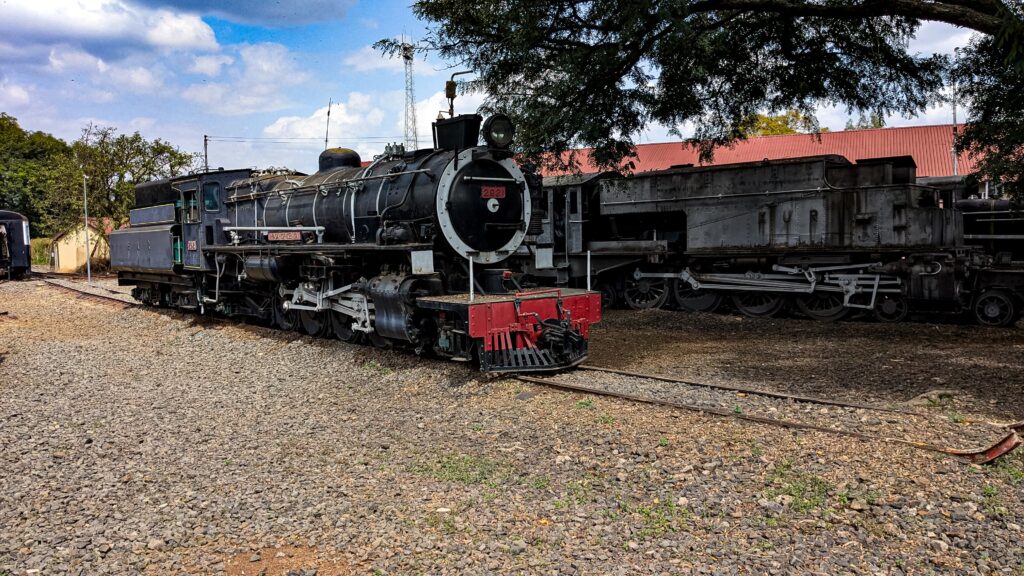
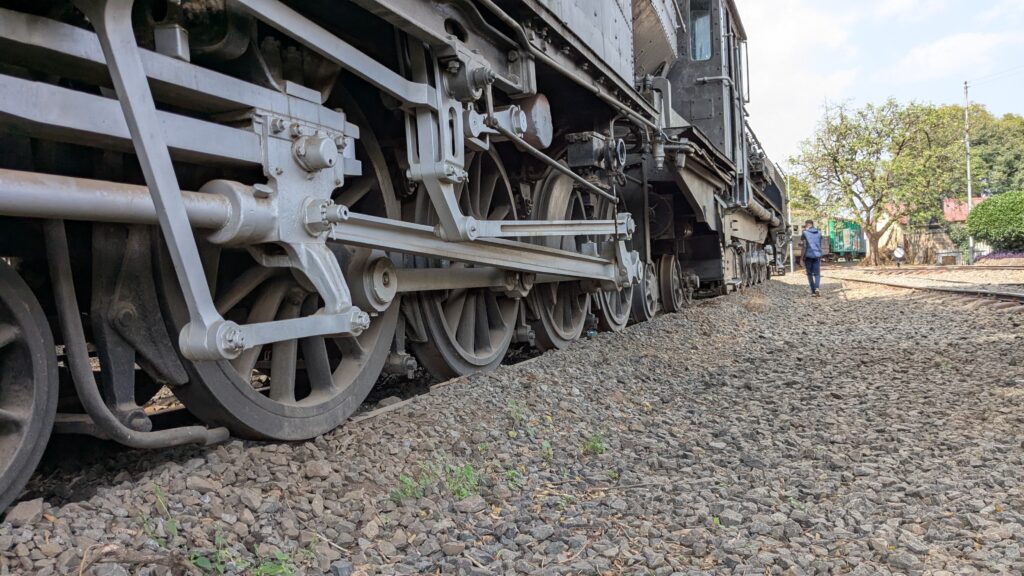
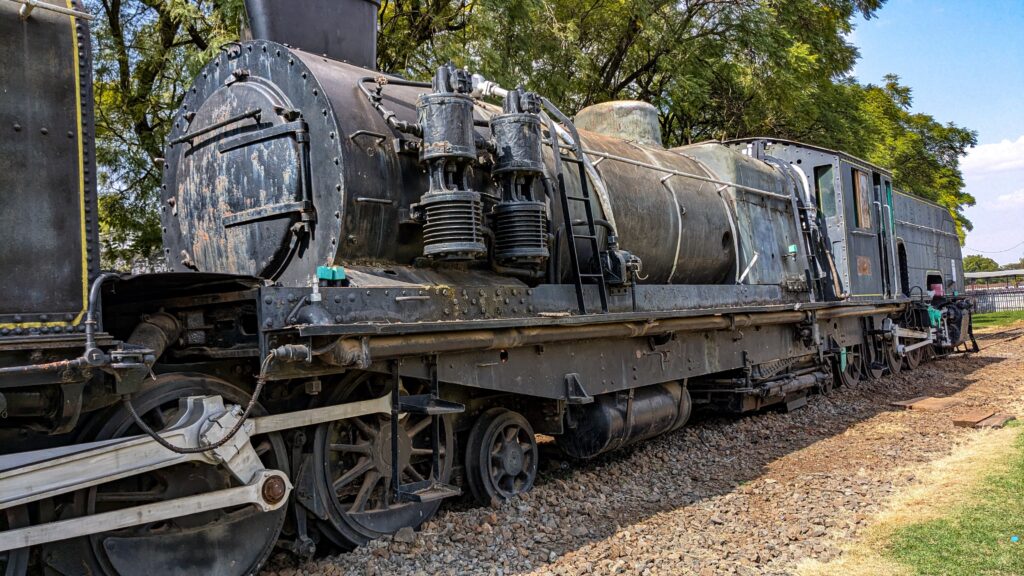
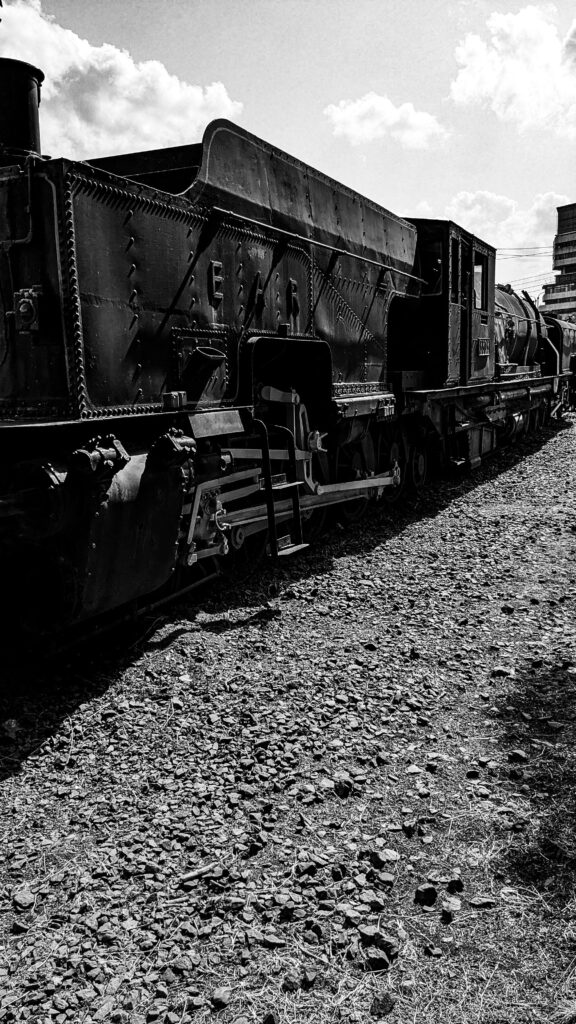
Stepping outside, the sun bounced off the hulking frames of locomotives that had outlived their prime but not their dignity. Engines built in Glasgow, Manchester, and Birmingham stood side by side, their metal skins weathered yet proud. Some bore plaques with names and serial numbers, tiny details that hinted at the faraway factories where they were born before their long journey to East Africa.
Climbing into a first-class carriage, I found myself in another world. The polished wooden panels reflected the golden afternoon light. Cushioned seats lined the compartments, with enough space to stretch out comfortably. You could almost imagine colonial officers or railway executives sipping tea here as the savannah rolled by.
The standard-class carriage painted a different picture. Wooden benches filled the narrow space, hard and unyielding. The air felt tighter, even empty, as if still carrying the whispers of hundreds of ordinary passengers who had once been crammed inside. Here traveled the farmers, traders, and families whose lives depended on the railway.
Nairobi, Born of the Railway
As I wandered the grounds, one thought struck me: without this railway, Nairobi might not exist. Originally, it was just a dusty supply depot midway between Mombasa and Kisumu. But as the line advanced, the depot grew, attracting settlers, traders, and laborers. Soon, tents became shops, shops became streets, and the settlement was declared a township in 1899. Today’s capital city of Kenya was literally born because of the iron snake.
The railway became the great artery of commerce, pumping life into a young colony. From the coast came spices, textiles, and machinery. From inland came timber, grain, hides, and eventually coffee and tea. Every journey carried not just goods but stories of opportunity, hardship, and ambition.
The Magic of Golden Hour
By late afternoon, shafts of golden sunlight streamed through the cracked windows, illuminating dust motes that floated like tiny stars in the still air. The locomotives outside seemed to hum softly, as though remembering the rhythm of journeys long past. For a brief moment, the museum felt alive, the clanging of iron, the hiss of steam, the laughter and cries of passengers all seemed to echo faintly in the silence.
Highlights
Lions of Tsavo Display: A haunting reminder of the dangers faced by railway builders.
First-Class Carriages: With polished wood, cushioned seats, and private compartments.
Outdoor Locomotives: Massive, weathered engines, some still carrying original brass controls.
Nairobi’s Origin Story: How a railway depot became a capital city.
The Lunatic Express Legacy: From ridicule to one of the marvels of the colonial world.
Insider Tips
Best Time: 2:30–5:00 p.m. for the soft golden light and quieter grounds.
Hidden Detail: Some locomotives still have their original control systems intact.
Best Photo Spot: First-class carriage windows at golden hour.
Bring: Camera, comfortable shoes, and drinking water, outdoor grounds can get hot.
Final Word
The Nairobi Railway Museum is not simply about trains. It’s a tribute to the grit, ambition, and human cost of building a railway that stitched together a nation. Here, iron and memory intertwine. Every carriage, every photograph, and every weathered locomotive whispers stories, not just of steel and steam, but of people. The workers who sweated over the tracks, the passengers who built their lives around them, and the city that was born because of them.
You may enter out of curiosity, but you leave with reverence. Reverence for the audacity of building a line across untamed landscapes, reverence for the sacrifices etched into its history, and reverence for the engines that once roared across East Africa.
If you’ve never been, set aside an afternoon. Step aboard, step back in time, and let the ghosts of the iron snake tell you their stories.